fbpx

Do Vitamins and Supplements Really Work?

I get asked all the time if vitamins are actually all they’re hyped up to be. Do they really work? Are they worth the money? Which vitamins are really necessary?

There have been a lot of recent studies claiming that taking vitamins has little to no effect on one’s health, but the fact is that not all vitamins are created equally. Research has shown over and over again that potent, high quality formulations of certain vitamins, minerals, herbs, and antioxidants play a huge role in maintaining optimum health and longevity, disease prevention, and treating various ailments.

That said, it’s important to note that vitamins and supplements are not a miracle, cure-all panacea that allow you to neglect healthy diet and exercise. Supplements are really designed to fill in the gaps left in our diets. The most potent and effective means of delivering nutrients into your system are through whole foods. Very few, if any, supplements will ever offer the same benefits as eating a variety of brightly colored vegetables and fruit, and whole grains. But unfortunately, some vitamins are nearly impossible to get enough of, even if you have a super healthy diet. Vitamin D, for example, is a vitamin nearly everyone in the northern parts of the world is deficient in. It is simply impossible to get enough vitamin D3 from sunshine when you live anywhere that has a winter. To derive enough of this vital nutrient from the sun, you would need 15 minutes of direct sunlight (sans sunblock) on large swaths of your skin every single day. Even in warmer climates, that just isn’t possible for a lot of people. Other nutrients aren’t possible to derive from specific diets. Vegetarians do not get sufficient amounts of vitamins B6 and B12, so supplementing with a high quality B Complex is vital. Omega-3′s are another nutrient that are very difficult to safely derive enough of in a standard Western diet, and it’s health benefits are so numerous that supplementation is definitely recommended for many people. There are also many herbs that just aren’t available (or palatable) for consumption as food — therefore taking them in supplement form is the most efficient and convenient means of delivering their amazing and varied benefits to your body.

Are supplements worth the money? It’s safe to say you’re probably wasting your money if you’re using vitamins as your only consistent sources of healthy nutrients while maintaining a sub-par, Standard American Diet. Anyone that tells you that you can keep eating cheeseburgers and ice cream and still be slim and healthy by taking some special amazing supplement is taking you for a ride! But if you’re using supplements to fill in the gaps in a healthy diet, you’re doing your body a huge favor.

What supplements should I be taking? Everybody has different supplementation needs, depending on gender, age, health concerns and goals. That said, there are definitely a few supplements that everyone can benefit from. See my Basic Supplement Guide for a list of universally recommended supplements for optimum health. For more specific recommendations, always consult a holistic healthcare practitioner. There are specific combinations of supplements that can help with everything from painful or irregular periods, weight loss and headaches or pain, to cancer prevention, all kinds of gastrointestinal issues like constipation or irritable bowel syndrome, heart health, cholesterol, and thyroid imbalance. Pretty much any health concern can be addressed and improved with the proper supplementation, in addition to… you guessed it!… healthy diet and exercise.
Are all vitamins safe? It is absolutely vital to ensure that the vitamins you are taking are high quality and in the right dosages for your body. Certain supplements, taken in improper dosage, have actually found to be detrimental to health and have been linked to higher risk of mortality and disease. Always research your vitamin brands to make sure they are using pure formulations derived from healthy sources. Brands I trust are NOW, Rainbow Light, Biotics, New Chapter, Vitanica, and Solgar. Check out the Organic Beauty Store for some fabulous supplements used by myself and my clients.

Supplements really do work, and, in combination with the correct diet and exercise for your body, can mean a stronger, more youthful, and healthier you!

—-

Natasha Uspensky, CHHC, AADP

Contact me to schedule a free initial consult to discuss your health goals and find the right diet and supplementation for you. Or come visit me at NU Health & Wellness for more info!

Basic Supplement Guide

Basic Supplement Guide | The Organic Beauty BlogFollowing up on my article, Do Vitamins Really Work?, I thought would share some of my most highly recommended supplements. Bear in mind that it is always best to consult with a holistic healthcare practitioner to determine the exact combination and dosage of supplements for your body and health concerns.

The Basic 5 Supplements for Everyone:

1.  WHOLE FOODS MULTIVITAMIN: A good, high quality food-based multivitamin is a must for everyone, regardless of how healthy your diet is. Plain and simply, it just fills in the gaps in your diet and ensures you are getting at least the minimum daily requirements of various nutrients (though the minimums are just that… there is no substitute for getting all your potent vitamins, minerals and nutrients through a healthy diet!). Recommended: My favorite multis are Vitamin Code by Garden of Life.  I take their Women’s Multi, and recommend their Men’s Multi and Prenatal to clients. Their multis are all whole food formulations, available in a more thorough 3-pills a day, which is necessary to make sure you’re getting enough goodness!

2.  FISH OIL: More and more research is showing that Omega-3 Fatty Acids are absolutely vital for overall health, weight management, prevention of heart disease, managing stress, and decreasing inflammation (among many other benefits), and unless you’re eating sardines, anchovies, and wild salmon several times a week, you’re just not getting enough. Recommended Daily Dose: The ratio of EPA to DHA that is best for you is dependent on your specific health goals, but regardless, a minimum of 1 gram of fish oil (though 2 grams is better) is recommended for everyone. My favorites are NOW Foods Super EPA and NOW Foods Ultra Omega-3.

3.  VITAMIN D3: This nutrient is one that we are all deficient in, as it is simply impossible to synthesize sufficient vitamin D anywhere but in the warmest and sunniest of climates. Getting enough vitamin D3 is imperative for preventing over 100 different diseases, including cancer, heart disease, diabetes, and autoimmune diseases. It has also been linked to preventing depression, improving mood and stress response, and achieving ideal weight. Recommended Daily Dose: a minimum of 2,000 I.U., or more, depending on specific health concerns. I recommend Biotics Bio-D-Mulsion Forte, which has liquid formulation that guarantees the most efficient delivery into the bloodstream, and has 2,000 in just one drop under the tongue!

4.  PROBIOTICS: Daily probiotic supplements can help keep our digestive and immune systems functioning at their best, aid in absorption of other nutrients, and even help with weight loss and mood stabilization (again, in combination with a healthy diet!). Shoot for a high number of live cultures like acidophilus and bifidus. Recommended: I like NOW Probiotic 10-25 Billion, and find that it works best for most of my clients.

5.  VITAMIN C: Especially for those of us living in urban environments, or those who work in hospitals or with kids (or just have kids), getting enough vitamin C is the first line of defense against colds and infections, and also helps your body fight anything else it’s dealing with. Getting enough vitamin C is also vital for preventing heart disease, cancer, high blood pressure, maintaining adrenal health, which can help with fatigue and stress. Recommended Daily Dose: 500 mg 3-4 times a day, depending on your specific health concerns.

5 Great Supplements for Women

1.  VITEX: Vitex, or chaste tree berry, is an incredible supplement for balancing hormones, regulating the menstrual cycle and easing symptoms like heavy flow and PMS. It is also a great supplement for fertility.

2.  EVENING PRIMROSE OIL: Another great supplement for PMS symptoms, particularly cramps, breast tenderness, and breakouts.

3.  CALCIUM/MAGNESIUM/ZINC: This combination is a vital supplement for women, to promote bone health, controlling blood sugar, heart health, and stress management. Make sure to take them together to avoid side effects and maximize results

4.  DIM: DIM, di-indole-methane, is a cruciferous vegetable complex that significantly lowers risk of breast cancer (and other cancers as well), and can help detoxify the system after years of taking oral contraception (which increases risk of cervical cancer, infertility, and severe hormonal imbalance).

5.  CRANBERRY EXTRACT: This is a wonderful supplement to promote urinary tract health, kill harmful germs in your system, and prevent cancer.

It’s important to reiterate that taking supplements is no substitute for healthy diet. Eating a diet made up primarily of brightly colored vegetables, fruit, whole grains, beans and legumes, healthy fats, and limited animal protein (mostly cold-water fish and eggs) is the BEST way to get all the energizing, life-extending, and disease-fighting nutrients you need.


Cancer, Nutrition and Coping after Chemo

Guest post by Jillian McKee, Complementary Medicine Advocate.
Bringing a wealth of personal and professional experience to the organization, Jillian McKee has worked as the Complementary Medicine Advocate at the Mesothelioma Cancer Alliance since June of 2009. Jillian spends most her time on outreach efforts and spreading information about the integration of complementary and alternative medicine when used in conjunction with traditional cancer treatment.

Cancer, Nutrition and Coping after Chemo | The Organic Beauty BlogCancer treatments often alter our ability to meet some necessary nutritional needs. Take chemotherapy treatment — a necessary evil that wrecks havoc on the body. Chemotherapy causes a decrease in our red blood cells, which leads to anemia, the path to vitamin deficiencies, which weakens our immune system little by little. One of the ways to combat these problems is by eating well and maintaining a good weight, both during and after chemotherapy treatments.

Eating enough calories can help the body recover quicker and heal during and after chemotherapy treatments. Once weight loss begins, muscle loss, strength and energy will follow. Research studies have proven that Omega-3 supplements can help. Omega3 fatty acids tend tohelp cancer patients maintain muscle mass and stabilize weight. The Journal reported that 16 patients, taking a daily supplement of 2.2 grams of fish oil, for 10 weeks were able to maintain their weight, while 24 patients, did not take the daily fish oil supplement, and continued to lose weight. Those patients with the largest amounts of fish oil in their blood had gained muscle mass. Scientists theorize that fish oil may interfere with cancer, thereby providing a way to beat undernourishment in patients.Cancer, Nutrition and Coping after Chemo | The Organic Beauty Blog

Ways to improve your appetite:

  • Start meals with solid foods first. This will help you avoid filling up on liquids. Solid foods fill the stomach up and liquids leave the stomach quickly. Unless you are on a liquid-only diet, avoid soups unless they are thick and filled with vegetables.
  • Break up meals into six or more sittings per day. One of the side effects of cancer treatments is diminished appetite. Loss of appetite also depends on the type of cancer and the type of treatment. In general, it is often difficult to eat a full meal. Eat light meals, and don’t worry so much if you do not feel like eating. Staying hydrated is more important. Drinking water, broth, non-acidic fruit juices and vegetable juices works best.
  • Start an exercise plan. Of course, get approval from your physician first. Physical activity can boost your appetite and help to maintain muscle mass. Exercise will also promote more bowel movements, which flushes toxins from the system.
  • Take your time and chew slowly. After the meal, do not rush to lie down; remain upright to help avoid nausea and heartburn.

Coping with treatment side effects is no easy task. Exercise and improving the appetite can help patients cope with effects such as the coughing and excess fluid. Certain foods can be especially helpful in battling certain cancers, such as broth and vegetable juices serving as natural cough suppressants for mesothelioma cancer patients.

No one can predict exactly how each patient is going to feel. Cancer is complex and everyone experiences this disease differently. The best advice is to always be proactive and anticipate ways to deal with your nutritional needs.


You can read more from Jillian on her blog: http://www.mesothelioma.com/blog/authors/jillian/


How To Rid Your Home of Toxic Chemicals, For Good!

Guest post by Dustin Laurence.  Dustin enjoys maintaining a healthy and environmentally low-impact lifestyle; he is a contributing author at www.flowerdelivery.net
How To Rid Your Home of Toxic Chemicals, For Good! | The Organic Beauty BlogYour home is a safe haven that provides you and your family with a comfortable place to live. While you may think you are doing all you can to keep your home safe and clean, sometimes there are toxic chemicals in your house that you may not even know about. Toxic chemicals are nasty and can cause health conditions such as asthma and a variety of other illnesses, so you want to make sure your home doesn’t contain many of these harmful substances. If you are looking for ways to get rid of toxic chemicals in your home for good so to ensure the good health of your family, here are some ways you can do this.

1. Eliminate Toxic Cleaners. Although they may get rid of the grime around your house, many household cleaners contain harmful chemicals. If you want to eliminate toxic chemicals around your home, start by getting rid of these harsh cleaners. Instead, opt for all natural type household cleaners, or do a little research and make them yourself.

2. Stop Drinking Bottled Water. While you may think drinking bottled water is better for your health, the truth is it’s not. Plastic or aluminum bottles contain harmful substances that are bad for your health. If you want a safe alternative, try drinking out of a reusable, stainless steel water bottle.

3. Buy Organic. Non-organic fruits and vegetables may contain harmful pesticides. If you want to be certain that the fruits and vegetables you feed your family are truly  healthy, try buying organic.

4. Get The Lead Out. If your home was built before 1978, chances are, it was painted with lead paint. If you want to eliminate this harmful chemical from your home, repaint your house. When you repaint, be sure to do it in a safe way that will not stir up harmful lead dust particles.

5. Change Your Bulbs. If you are currently using compact fluorescent light bulbs in your home, change them to a safer type of light bulb. Compact fluorescent light bulbs contain mercury and they can be very dangerous to the health of your family.

6. Eliminate Excess Products. Do you use hairspray, body spray and a variety of other personal care items? Well, if you do, you could be creating a hazard in your home. Try to cut down on the excessive use of personal care items and stick to only the ones you need. Many of these products contain harsh chemicals that can be dangerous when combined.

7. Change Your Shower Curtain. If you use a vinyl shower curtain in your bathroom, get rid of it! Vinyl shower curtains contain harmful toxins that can be bad for the health of your family. Replace vinyl shower curtains with a shower curtain made of a less toxic material.

While we all like to think that our homes are safe places that are free from toxic chemicals, this is not always the case. From household cleaners to vinyl shower curtains, there are a variety of common household items that can contain potentially dangerous toxic chemicals. If you want your home to be free from toxic chemicals, try following the above listed ways to help rid your home of these harmful substances.

The Key to Sustained Weight Loss

Sustainable Weight Loss
I’m sure by now you’ve read about the French diet paradox (those slim, beautiful women who somehow are able to eat pastries, butter, fat, and wine without consequence), or have witnessed for yourself that enviable friend who all the foods you wish you could eat, guilt-free, for brunch or lunch, and still manages to maintain her skinny physique.  What is the secret??  Something so easy, and so engrained in our DNA that you won’t believe how naturally you’ll be able to reach and maintain your body’s healthiest weight without uttering the word “diet” ever again.
 
From our hunter-gatherer ancestors to the eating cultures of East Asia, much of Europe, and even the Pacific Islands, most of the day’s calories were eaten in the earlier part of the day, with dinner being a much lighter, more supplementary meal.  Though this has always been a natural way for our bodies to consume calories, this runs very much in contradiction to the American way of eating, as well as the fad diets so many people fall prey to.  Our metabolisms are not designed for small meals every two or three hours, and they certainlyaren’t designed to take in the bulk of the day’s calories at dinner (traditionally Americans’ biggest meal).  Our bodies do best with three meals a day, with breakfast and lunch being the time to bring out the big guns.  Finally, there is some scientific proof (for those skeptical of empirical evidence): A new study from the University of Alabama at Birmingham suggests that we’re built to consume high-fat meals in the early part of the day and low-fat meals in the latter.
 
Think about it this way… You wake up (still exhausted), have a cup of coffee and maybe a bagel for breakfast at 7am, are starving by 10am, reach for a granola bar, or some sweets around the office, make it to your light lunch of salad or a sandwich, totally crash by 4pm, needing more snacks, sweets, or coffee to get through the rest of the day, and then come home, tired and hungry, for a huge, calorie-ridden meal at 8pm.  Your body doesn’t have the chance to burn off that big meal before bedtime, so you go to sleep with everything still sitting in your belly, and wake up exhausted, in need of that coffee that starts the whole thing up again.  Sound familiar? 
 
Now try this on for size… You wake up well-rested, have a delicious breakfast of eggs, avocado, whole grain toast and some fruit, have tons of energy all morning without even thinking about snacking, have a big, leisurely lunch of salmon, quinoa, salad, maybe even some sumptuous dark chocolate for dessert, are full, energized and productive all through the rest of your day, sailing by that 4pm mark without even glancing at the birthday cake in the break room, come home, still not starving (since you had that awesome big lunch), have a nice light salad or some soup dinner, and go to bed where you enjoy deep, restful sleep.  Sounds a lot better, doesn’t it?
 
Eating larger meals with healthy fats in the first half of your day is not only more satisfying and energizing, it also prevents metabolic syndrome, obesity, type 2 diabetes and high blood pressure.  And think about those extra empty calories you’ll be able to avoid!  Those late afternoon snacks, lattes, trips to the vending machine, or dips into the cookie jar on the receptionists desk are all a function of low blood sugar.  Big, healthy breakfasts and lunches (with healthy fats, protein, whole grains, and veggies) eliminate the need for any snacking by keeping your blood sugar consistently balanced.  Meanwhile, light, low-fat dinners give your body very little to do in terms of digestion and fat-burning at night, which allows you to detoxify and rest your whole system while you sleep.  Waking up feeling light and refreshed eliminates the need for coffee and sugary breakfasts, which in turn allows you to make healthier food choices right from the start.
 
So if you make one change to your diet, make it this one!  You’ll be amazed at how much more simple and natural losing weight and being healthy is when you let your body do what’s designed to do!
 
Ready to make a change, but feel like you need some guidance?  Contact me to schedule a Skype consultation to get started!

Nutribullet — A Healthy Kitchen Must-Have!

By: Natasha Uspensky, CHHC

I was home with a terrible virus for over a week not too long ago, which led to a lot of regrettable television choices.  As I was making the rounds of afternoon infomercials, one in particular caught my eye, and honestly, revolutionized my kitchen!  David Wolfe, raw food guru (and one of my instructors at the Institute for Integrative Nutrition) was speaking on behalf of Nutribullet — which, at first glance, seemed like a souped up MagicBullet (a tool I knew I didn’t need).  I really respect David Wolfe’s take on food, and count him among my favorite nutrition experts, so I thought I would see what he had to say.

Mechanically, the Nutribullet isn’t that different from the MagicBullet.  It’s a compact single or double serving blender that can smooth, chop, blend, or liquify pretty much anything.  But that’s the key!  It has a super powerful 600 watt motor that literally liquified fruits, vegetables, nuts, and seeds into an incredibly potent, concoction that is neither juice nor smoothie, but some magical hybrid.  It’s basically a mini-Vitamix — which is pretty much my dream come true.  (Though the Vitamix is a phenomenal kitchen tool, its bulk and generally unfashionable design–not to mention its hefty price tag–have been keeping me from investing in one)

Though I am an enormous fan of juicing (and base a lot of my cleanses on it), the amount of wasted food and fiber has always been a big issue for me.  Plus, a juicer doesn’t allow me to add nuts and seeds, which are key to created a superfood, detoxifying health cocktail.

Smoothies have been my standby for a long time.  I love making delicious morning creations out of fruit, greens, nuts, and almond milk, but am always annoyed when my smoothie comes out mealy, overly thick, or not completely blended.  Especially when blending fibrous greens like kale or swiss chard, having those stringy pieces still in the smoothie really makes it less palatable even for me (who LIVES for greens!).  And I never hear the end of it from some of my pickier clients, for whom eating greens is already a huge challenge.  I end up adding cups and cups of liquid to my smoothies to get them even close to smooth enough, and still, I find whole, unmilled flax seeds and food particles at the bottom of my glass.  Not ideal.

So you can imagine how pumped I was when I opened my Nutribullet, and made a delicious, super-potent, completely liquified drink, chock full of tons of greens, fruit, nuts and seeds… in under a minute.  I knew mornings would never be the same!  The benefit of a super powerful motor combined with a specialized extractor blade is that it completely breaks down the food for you, pulverizing stems, seeds, and skins of foods to maximize the amount of nutrients you can derive from it and make the whole process that much easier on your digestive system.  We definitely don’t want to liquify all our meals — making our system break down fibers is a good thing! — but being able to efficiently deliver so much nutritious goodness into our bodies for one or two meals a day is amazing.

Everyday for the past two weeks, I have started each morning with a powerful, mega-nutrient drink that leaves me feeling full (but not weighed down after I do after a thick smoothie), energized, and just plain awesome.  Since the blades are so powerful, I can throw whole fruit and veggies into my Nutribullet without having to chop anything up, which saves me tons of time, and with the super fast motor, the perfect consistency takes just a few seconds to achieve.  My favorite part is coming up with new, delicious fruit and veggie combos to try… My new favorites are watermelon/cucumber/apple/lemon/flaxseed and pineapple/kiwi/spinach/sunflower seed.  The recommended proportion is 50% fruit and 50% greens, with a good solid handful of nuts or seeds to top it all off.  Though I’ve always rocked smoothies blended with almond milk, I use spring water with my Nutribullet, which gives the concoctions a consistency more like juice, and less like a heavy smoothie.  Check out my favorite Nutribullet smoothie recipes!

This little gadget will also make doing my seasonal detox/cleanse that much easier!  I’m going to recommend it to all my cleansing clients.  Bottom line… I’m in love!

Benefits of drinking just one full size concoction made up of organic fruit and veggies a day include:

  • Decreased risk of cancer and other diseases (provided you use organic fruit and veggies!)
  • Weight loss (replace breakfast and/or dinner with an amazing Nutriblast, and you’ll reach your target weight in no time!)
  • Increased energy
  • Better skin and hair
  • Increased longevity
  • Lower blood pressure and cholesterol
  • Relief from joint and muscle pain
  • Balanced blood sugar
  • Increased immunity
  • Relief from chronic inflammation
  • Improved mood and concentration

You can get your Nutribullet from nutribullet.com for about $120, or you can purchase it from BrandsMart for $99.98, complete with all the bells and whistles!

Check out our delicious and healthy Nutribullet Superfood Smoothie recipes, and please share your favorite recipes and amazing results below!

How to Get Moving

How to Get Moving | The Organic Beauty BlogWhen it comes to exercise there are 2 types of people. Those that stick with a routine and see results, and those that give up and never see real change. How do you become the former? With a plan!

Exercise does a lot more than promote weight loss. It can help prevent diabetes, osteoporosis, heart disease, depression as well as other diseases. It’s no wonder so many people want to exercise, but unfortunately lack of motivation and everyday demands of life get in the way. The first step is to make the decision to get fit, but if you don’t follow through you’ll keep ending up back at square one. Before starting a routine, make a commitment to yourself that you will stick with your routine for NO LESS than 3 months. Think of your new exercise routine as a new lover; you can’t judge it based on the first date!

The following are some helpful guidelines to help you succeed.

  • Be Honest. Honesty is always the best policy, but especially when it comes to exercise. Beginning a routine sucks, to be blunt. You’re pushing yourself out of your comfort zone of coming home from work and sitting on the couch with a bag of Doritos. Accept that it’s not going to be easy to get into the habit, but it DOES become second nature once you get past this. Your body wants and needs to work, so it comes down to mind over matter. By accepting the fact that it will not be easy, you’re allowing yourself to deal with the problem before it arises-making your chances of sticking through greater.
  • Be Realistic. If you’re 30 pounds overweight, a realistic goal is not to “look like Heidi Klum by summer.” Even if you give 110% everyday, your body can only handle so much change at once. The more dedicated you are, the quicker you will drop weight and tone up, but you have to be realistic about what your body is capable of. Otherwise, not meeting these goals will make you feel defeated. Examples of ideal goals include to “Drop 8 pounds this month” or to “Go to the gym no less than 4 times a week.”
  • Be Smart. You do not need to run for an hour to lose weight. High intensity interval training is all about giving it all you got for a half hour-45 minutes. The best way to do this is to go all out for 30 – 45 seconds, depending on your exercise level, and then going moderate for 60-90 seconds. When you go all out, on a scale of 1-10, you should be doing a 10, moderate should be about a 6.  Do this at least twice a week, and then spend 2 other days incorporating strength training and moderate cardio. Buying a DVD or going to classes are the best way to stay motivated during exercise. They do the work for you-all you have to do is show up!
  • Show Up. The last tip to keep in mind is just to show up everyday. Sometimes you’re going to have a bad day, when you only give 50%; but at least you showed up. This makes the difference between a winner and a quitter. Tomorrow’s always another day to get it right.
Below is a sample strength training circuit. You can google the moves if you need a visual. This workout is great for your strength training routine because you work different muscles at once which means more calorie burning and toning. Do 8-12 reps of each move with no rest in between. After you complete all moves, rest for 1 minute then repeat two times, so that you’ve done 3 circuits. Use 5-8 pound dumbbells.
Sample Workout Routine For Beginner
 

1. Goblet Squat: 

Stand with your feet hip-width apart and hold a dumbbell vertically in front of your chest, your elbows should be facing the floor. Push your hips back and bend into a squat, allowing your elbows to come on the inside of your knees. Push yourself back up. That’s one rep. Repeat 8x.
Tip: MAKE SURE YOUR WEIGHT IS ON THE BACK OF YOUR HEEL AND YOUR KNEES DON’T COME IN FRONT OF YOUR TOES. Push back as if you’re sitting on a dirty toilet, with your tush pushing back.
 
2. Squat Shoulder Press: 
Stand with feet hip-width apart again and come down into a squat with your arms at your sides. Push yourself up and at the same time press your right arm straight up so that the weight is directly over your shoulders. Go back down into a squat and repeat 8x. Switch to the left arm.

3. Dumbell Deadlift: 
Hold your weight in front of your thighs, feet hip-width apart, knees SLIGHTLY bent. Bend your hips to lower your torso keeping the weights close to the body. Return to standing, keep the weights close, picture that you’re shaving your legs with the dumbbell.
 
4. Reverse lunge and Bicep Curl:
Stand straight up with weights in hands. Step back with your right foot, keeping the weight in the left heel. Make sure again, that the knee does not pass the toe. Let yourself sink down, while pressing your arms up into a bicep curl. Come up and release the bicep curl. Lower yourself back down, curl your arms up. Repeat 8x, then switch sides.
 
5. Low Plank:

Beginners can start this move by coming onto their elbows and toes and holding the move for 10 seconds, releasing for 10 seconds, then coming back up for 10 seconds. Make sure your body is in a parallel position, with your butt DOWN not up in the air. You should feel your body shaking, since you are forcing your abs to work. Hold for 30 seconds (or in the 10 second increments) and repeat 3x.

———
Cindy Moustafa, B.S., AFAA

What’s All The Buzz About Gluten?

By: Cindy Moustafa

Cindy Moustafa, B.S., A.F.A.A is finishing her Master’s degree in Nutrition. After working in marketing, she decided to pursue her passion for nutrition. Cindy has experience helping others to lose weight and get healthy, including children. She helped build an after-school weight loss program for children and also taught the classes. Cindy uses her knowledge and passion to drive others. For nutrition consultations or additional questions, please contact her at CinnM@hotmail.com.

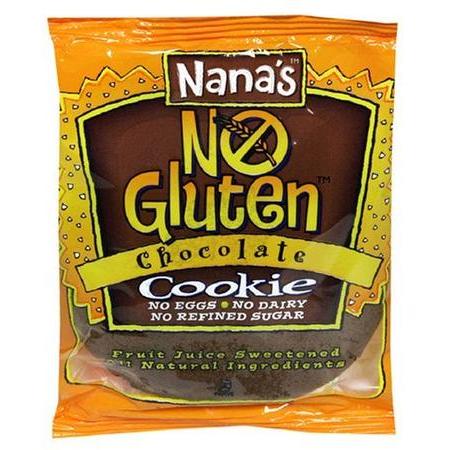
Recently, while in JFK airport, I noticed that there was an entire section in the food terminal dedicated to gluten-free products. I was both surprised and excited, being that I have just started eating a gluten-free diet. Some of the food choices were great and included Kind bars and hummus. Other foods were just junk food with the attractive “Gluten-Free” label on the front, giving the impression that a gluten-free cookie is somehow healthier than a regular cookie. Gluten has been getting a lot of buzz lately, and the public seems to be overwhelmed with misleading facts about the protein. Read on to get the real facts about gluten and if you should really be on a gluten-free diet.


What the heck is Gluten? People will buy a product stamped “Gluten-Free” without having an idea as to what gluten even is. But they know they heard it on the Dr. Oz show and someone, somewhere said to stay away from it. Gluten is simply the protein found in wheat, barley and rye. Oats are debated by some to contain gluten as well. So foods such as breads and pasta that are made with wheat flour (white, whole-wheat or multigrain) contain gluten. Also, many companies use gluten in their processed foods to help bind the ingredients together, so less obvious products such as Ketchup or tomato sauce may contain gluten as well.

Still a Cookie!

Why is Gluten bad for you? This is a controversial question because going gluten-free isn’t right for everyone. Many people today experience gluten sensitivities, which is akin to lactose intolerance. It’s believed by experts that this sensitivity has arisen from the overexposure to gluten from processed foods and a heavy carbohydrate dependency. In cases of intolerance, the body cannot digest gluten completely, so the person eating it can suffer from bloating, diarrhea, constipation, cramping and an array of symptoms (over 250 listed). Many people are misdiagnosed with IBS, when the real culprit is a food sensitivity. This is not to be confused Celiac Disease,an autoimmune disorder, in which the body attacks gluten and damages the intestine lining. As a result these individuals suffer from malnutrition and can experience life-threatening consequences if they eat something slightly contaminated with gluten. Gluten-free diets are also being associated with thyroid disease, autism and other disorders. It’s believed that those suffering from these ailments should avoid gluten because their body attacks it and makes their condition worse, so if you fall under this category it’s worth trying to go gluten-free. A last point, is that gluten-free foods are typically whole, natural foods so anyone can benefit from going gluten-free a few times a week.

How do I know if I have a sensitivity to Gluten? You can see a holistic health professional, as they are more experienced and exposed to food sensitivities, to get an allergy test through blood or stool samples. An alternative (and cheaper) way to test is to COMPLETELY take gluten out of your diet for 2 weeks. Then, slowly add the food into your diet and listen to your body! If you feel symptoms after having a pasta then gluten is most likely the culprit. Try a piece of bread the next day, if you get the same results then you’ve found the problem. Be warned that this takes discipline, but is completely worth it to relieve you of all your digestive problems. I went gluten-free after being diagnosed with hypothyroidism, and while it was challenging, I did feel better. I also noticed that my stomach wasn’t upside down after breakfast, where I always has whole-wheat toast. I had grown so custom to feeling like crap that I didn’t even realize something was wrong until it felt right.


I’m Gluten-free…now what? The best way to tackle a gluten-free diet is to follow the advice give by nutritionists. Make all your foods whole, natural foods and avoid processed junk. A gluten-free cookie, as mentioned earlier, is still a cookie. Just keep a clean diet and you’ll find that being gluten-free isn’t as difficult as it seems. It gives you a chance to be creative in the kitchen! Below is a list of foods to focus on when going gluten-free:


Healthy Gluten-Free Foods

  • Sweet Potatoes (any potato is GF)
  • Brown Rice
  • Gluten-Free Pastas and Breads
  • Quinoa
  • Farro
  • Buckwheat
  • Vegetables for adequate fiber and vitamins
  • Fruits
  • Protein powders
  • Legumes/Beans including hummus
  • Amaranth flour
  • Arrowroot starch
  • Coconut flour
  • Corn (anything corn-based)
  • Sorghum flour
  • Soy flour
  • Tapioca starch
  • Teff flour
  • Xantham gum (serves as a binder in absence of gluten)


With the growing awareness of gluten sensitivities, there are many options today that there weren’t a few years ago. Breads and pastas taste just like the original. Try different brands to see what you like, or of course, bake it yourself!

Cindy Moustafa

Personal Trainer & Nutritionist

4 Breakfast Foods to Avoid

4 Breakfast Foods to Avoid | The Organic Beauty BlogWe’ve all heard over and over again that breakfast is the most important meal of the day.  While I’m not necessarily in agreement with that (Team Lunch!), I think we call agree that a healthy breakfast is pretty damn important.  Not only does it set the tone for your mood and energy levels for the rest of the day, but it also sets you up for ultimate fat metabolizing, regulated blood sugar, and a whole lot more.

But what you may not know is that all breakfasts are not created equal.  If you are regularly consuming any of the foods below for breakfast, you’d be better off skipping the meal entirely!  (Not that I’m advocating that).  Read on for the biggest culprits of belly fat, mid-morning crashes, headaches, and crankiness:


1.  Doughnuts, Muffins, Bagels and Croissants

4 Breakfast Foods to Avoid | The Organic Beauty BlogYes, I know that’s four foods, but they all fall pretty solidly in the same category of terrible, refined, and processed carbs that are typically loaded with sugars, trans-fats, and empty calories as well.  These are the biggest barriers to weight loss, and will typically cause a midday energy crash as well.  Not to mention leaving your blood sugar depleted by lunch time, which can lead to some not-so-great, hysterical food choices.  If you’re craving carbs for breakfast, opt for a piece of whole grain toast with almond butter, apple butter, or some natural (no added sugar) preserves.


2. Sugary Cereal and Granola

4 Breakfast Foods to Avoid | The Organic Beauty Blog99% of conventional supermarket cereals and granolas are also loaded with tons of added refined sugar, refined and processed carbs, and useless, chemical “supplements.”  As with all foods, read your ingredients!  There are plenty of healthier, whole grain cereals out there (check out Nature’s Path, Barbara’s and Ezekiel) that are sweetened with light amounts of organic cane sugar or honey, and feature super potent grains like flax, hemp seed, millet, amaranth and brown rice.  Better yet, go for a completely unsweetened cereal or oatmeal, and sweeten it yourself with a sprinkle of stevia or a drizzle of agave.  Add some nuts and berries for some added excitement and flavor!  And skim the milk in favor of some greek yogurt, soy milk or almond — all of which are much healthier and easier on your digestive tract!


3. Breakfast Sandwiches

4 Breakfast Foods to Avoid 3 | The Organic Beauty BlogThis “all-American” combination of eggs, fried bacon or sausage, processed cheese and refined breads add up to a fatty, greasy, high-calorie, high-sodium junk food binge. Not only will this only serve to pack on the pounds, but you’re also clogging your arteries, increasing risk of heart disease and cancer, and negatively impacting your skin.  If you just can’t live without the occasional breakfast sandwich, make your own at home, with a two egg omelet, tempeh bacon, and avocado or high quality cheese on a whole grain toasted english muffin.


4. Meal Replacement Shakes

4 Breakfast Foods to Avoid | The Organic Beauty BlogPopular brands like Ensure, Slim Fast, Atkins, or any other store-bought prepared shake is not a meal!  It’s not even a snack.  It’s a mess of processed garbage and chemicals that neither satisfies your hunger nor provides your body with any real nutrition.  And it certainly isn’t a healthy or effective way to permanently lose weight.  If you like shakes in the morning, make your own with hemp or rice protein powder, fresh or frozen berries, and some almond milk.  Delicious, nutritious, and real food!


BONUS!!!!
You know what else isn’t a breakfast?  A cup of coffee.  You heard me!  Starting your day off with a shot of false energy, adrenal imbalance, and a potential blast of sugar and unnecessary fat and dairy (depending on your particular coffee drinking style) is certainly not a healthy way to start your day.  If anything, this will lead to midday moodiness, depleted energy, and long term adrenal issues.  If you like your morning coffee, have it every other day (to avoid dependency), with some stevia and soy or almond milk.  And for the love of god, skip the Fraps and whipped creams and flavored syrups and crap! 


—–
Natasha Uspensky, chhc, aadp
NU Health & Wellness

10 Reasons to Eat Your Veggies

10 Reasons to Eat Your Veggies | The Organic Beauty BlogMy absolute favorite guru of nutrition and holistic health, John Douillard, posted last week on the importance of drastically increasing our intake of vegetables. Though I stress their importance every day in my work (just ask my clients!), I think his list is a beautiful encapsulation of what all my veggie-pushing is about:

“You know you should be eating your vegetables, but do you know why?

Did you know, for instance, that eating more vegetables can help you reduce stress, increase attentiveness, reduce cravings, and lose weight?

The truth is, while most of us know we should be eating plenty of vegetables, few of us actually eat enough. The US Food Guide Pyramid recommends that we eat 3-5 servings of veggies a day, yet studies show that only 22% of Americans do.

Here are 10 reasons you may not have known for piling on those greens. Once you read these top ten unsung reasons for eating veggies, I hope you will have all the motivation you need.

Number One: A Reason to Chew
Have you ever eaten a bowl of fresh, either lightly steamed or raw veggies? If you have, you may have noticed one simple fact – it takes time to chew.

Unlike a sandwich, which you can eat quickly, eating veggies demands more dedication to chewing.

…Here is a list of amazing benefits to be reaped from chewing:

  • Chewing stimulates the production of salivary digestive enzymes like amylase in saliva, which lubricate the esophagus and the chewed food in the digestive tract.
  • Chewing relaxes the end of the stomach – called the pylorus – allowing food to be released into the small intestine more easily.
  • Chewing stimulates taste receptors in the mouth, which in turn triggers the release of hydrochloric acid, or HCL, in the stomach. HCL is responsible for processing hard-to-digest proteins, like casein in dairy and gluten in wheat.
  • Inadequate chewing has been linked to digestive issues such as gas, bloating, and other forms of indigestion.
  • Chewing also forces us to relax and take time to eat, rather than race through every meal.

In other words: The more you chew, the better you digest. So sit down to a meal of veggies and chew your way to better digestion.

Number Two: Take it From the Gorillas

Gorillas, whose digestive system most resembles that of humans, eat more than half their body weight in ounces of vegetables a day. They literally spend all day munching on veggies. While it may be unrealistic to match their consumption, experts agree we should be eating up to one, or even two, pounds of veggies each day.

Gorillas also eat fruits, grains (in their natural unprocessed form), and a small amount of meat.

Number Three: Release those Toxins
Vegetables are loaded with fibrous cellulose, which scrubs the intestinal villi, provides bulk for the stool, and binds toxins for escort out of the body. Without enough cellulose in the digestive tract, bowel movements – and the consequent elimination of toxins – are dramatically compromised.

Cholesterol, along with other toxins, is attached to bile in the liver. Vegetable cellulose attaches to the bile and escorts it, with toxins in tow, out of the body through the stool. Without enough vegetable cellulose in the diet, up to 94% of the bile (with cholesterol and toxins attached) is re-absorbed by the liver and the blood, which raises cholesterol and increases risk of cardiovascular disease.

Number Four: Your Armor Against Heart Disease
Most Americans gets their cholesterol tested regularly to screen for heart disease, the number one killer of Americans. The cholesterol that is connected with heart disease is called low-density lipoprotein, or LDL, and is often referred to simply as, “the bad cholesterol”.

Cholesterol becomes “bad” through the process of oxidation.

Vegetables are the number one source of antioxidants in the diet, neutralizing the process of oxidation. When vegetable intake is low, antioxidant levels crash, allowing the fats in the blood to oxidize. Low vegetable consumption is directly linked to the oxidation of LDL and, ultimately, high cholesterol and heart disease.

Major protective phytonutrients found in vegetables, including flavonoids and carotenoids, have been shown to reduce heart disease, high blood pressure, diabetes, obesity, and some cancers.

Number Five: The Ultimate Low-Calorie, Blood-Sugar Stabilizing Food Group
Vegetables are extremely low in calories. A cup of vegetables averages about 50 calories. By contrast, nuts and seeds can have as many as 750 calories per cup. Moreover, the body uses almost the same amount of energy to chew and digest vegetables as it receives from them, thus, they are called a “free food,” or a food with a very small caloric load.

Breaking down the cellulose fibers in vegetables takes time, which allows the carbohydrates to be released slowly. This helps keep the blood sugar stable. You can see why vegetables are the ultimate low calorie, blood-sugar stabilizing food group.

Vegetables are also low in fat and have zero cholesterol. In fact, 95% of all vegetables have less than one gram of fat per serving. Eating plenty of vegetables stimulates the breakdown of fat already stored in the body, and helps the body burn this fat for energy.

Number Six: Alkalize!
Most experts agree that the diet for optimal health should be 1/3 acidic and 2/3 alkaline. In nature, the winter harvest is a mostly acidic one, high in grains and meats. In the spring and summertime, nature’s bounty of alkalizing fruits and vegetables helps the body naturally detoxify the heavy stores of winter.

Alkalizing the body helps keep the blood healthy and the lymphatic system moving, maintaining a constant natural detox.

Challenge yourself this spring to make two-thirds of your diet alkaline – it is more challenging than you might think!

Number Seven: Balance the Six Tastes
Vegetables provide the body with the oft-overlooked tastes of bitter, astringent, and pungent. In a society largely addicted to the sweet, sour, and salty tastes, large amounts of vegetables have been replaced with a diet rich in grains and bread, meats, dairy, and eggs.

According to Ayurveda, the six tastes are to be included with each meal. This balances not only the body, but the mind and emotions as well. In Ayurveda, the word for “taste” – rasa – is the same as the word for “emotion,” echoing that food is fuel for the body, mind, and spirit.

A diet high in the sweet and salty tastes can overly-satisfy the senses and, in time, create a dependency on those sweet and salty foods. Studies show that these foods activate dopamine receptors in the brain.

Dopamine is the “I’ve gotta have it hormone,” and it plays a part in any addiction. It is a “diminishing” hormone, meaning that the more you stimulate it, the more of a substance it takes to stimulate it to the same degree. Soon, the natural sweet taste of vegetables (think of them as complex sugars wrapped in fiber) gets replaced with the more potent, quick-acting sweet taste found in breads, dairy, and sweeteners.

To balance this major cultural addiction to the sweet and salty tastes, we must significantly reduce those tastes and add generous, nearly gorilla, amounts of veggies back into the diet!

Number Eight: Spring Cleaning
In the spring, when the snow begins to melt and the ground softens, deer dig up rhizomes to eat. Rhizomes, or surface roots, are loaded with astringent and bitter constituents that scrub the intestinal villi of old and hardened mucus congestion. It is like a spring cleaning of the gut. These early spring roots also stimulate liver function and blood purification. So don’t forget the root vegetables like beets, burdock, carrots, ginger, radish, onions, garlic, dandelion, turmeric and most spices.

Number Nine: Nature’s Pro-Biotics
Green vegetables, especially the spring greens, are loaded with chlorophyll. Chlorophyll fertilizes the intestinal villi and aids in the proliferation of the good intestinal bacteria, which are essential for digestion, assimilation, detoxification, and intestinal waste removal. This is a natural way to get the pro-biotic result, without a supplement. In contrast, most pro-biotic supplements do not encourage the growth of your own flora. They work well only while you take them, but the benefits stop when you discontinue taking them.

The production of intestinal flora may be one of the most important factors linked to optimal health. When we take nature’s cue and load our diet with alkalizing veggies in the spring, we naturally restore healthy intestinal flora.

Number Ten: Vitamins and Minerals (That Your Body Doesn’t Make)

Vegetables deliver vitamins that the body does not make, including the water-soluble B-complex vitamins such as B1, B2, B3, B5, B6, B12, biotin, and choline, as well as Vitamin C. The water-soluble vitamins are not stored in the body, so they must be ingested daily. Without adequate amounts of veggies in the diet, many of these vitamins may become deficient.

Vegetables are also a rich source of the fat-soluble vitamins A and K, and some Vitamin E.

Vegetables are also the primary source of minerals in the diet. For instance, the main source of calcium for humans should not be dairy, but green leafy veggies. As far back as 1936, in a well-publicized report entitled, “Document 264 from the Department of Agriculture”, the 74th Congress stated that, “99% of the American people are deficient in minerals, and a marked deficiency in any one of the more important minerals actually results in disease.”

That same report from 1936 stated that, “virtually all soils in the United States are mineral deficient.” In 2001, The Journal of Complimentary Medicine pointed out that US and UK Government statistics showed a decline in trace minerals of up to 76% in fruit and vegetables from 1940 to 1991.

Perhaps this makes a case for mineral supplementation, but first and foremost, we must focus on getting as many veggies in our diet as we can!

* Always eat organic when possible.

Top Tip for Getting More Veggies:

Try veggies for breakfast! Start the day off right by adding steamed greens to your am fare. It might seem unusual at first, but you’ll quickly get used to how good you feel.”

Check out some delicious veggie recipes on our Healthy Recipes page!

———
Natasha Uspensky, chhc, aadp
NU Health & Wellness